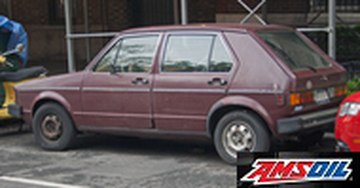
Lubrication Maintenance for the 1982 Volkswagen RABBIT 1.7L
Maintaining the mechanical integrity of a 1982 Volkswagen RABBIT requires consistent attention to fluid health and component condition. For vehicles of this era, regular lubrication service is a fundamental aspect of ownership that helps manage the natural wear associated with aging mechanical systems. By focusing on proactive inspections and adhering to specific lubricant requirements, owners can better monitor the operational state of their 1.7L engine.
Monitoring Fluid Integrity and Potential Leaks
One of the most effective ways to assess the health of an engine is through regular visual inspections for fluid loss. Because rubber components and gaskets can change in flexibility over several decades, it is prudent to check the area around the engine for any signs of seepage or active leaks. When performing these checks, look for wetness or dark staining on various sealing surfaces and connection points.
If you notice a change in the amount of oil required between service intervals, this warrants further investigation. While some level of consumption can occur as engines age, an unexpected increase may indicate that a seal is no longer performing optimally. It is also helpful to observe the color and consistency of the lubricant during routine checks; significant darkening or a gritty texture can be associated with extended service intervals or internal contamination.
Beyond the engine itself, checking other vital fluids—such as coolant and brake fluid—ensures that the entire vehicle remains in a stable operating condition. A well-maintained lubrication system works in tandem with a healthy cooling system to manage the thermal loads placed on the engine during operation.
Observing Operational Warning Signs
Drivers should remain attentive to how the vehicle behaves during startup and throughout various driving conditions. Changes in mechanical behavior can often serve as early indicators that maintenance is required. For instance, unusual noises coming from the engine compartment may be related to lubrication levels or the condition of moving parts. While these sounds can have many different causes, they should never be ignored.
If a warning light appears on the dashboard, it requires immediate attention. Such indicators are designed to alert the operator to critical changes in system pressure or fluid levels that could lead to mechanical issues if left unaddressed. Additionally, any unusual odors—such as a scent of burning oil—should be investigated, as this may indicate that lubricant is contacting a hot surface elsewhere in the engine bay.
It is important to remember that symptoms like smoke from the exhaust or changes in engine performance are not definitive diagnoses. They are signals that the vehicle's current state has deviated from normal operation and requires a professional inspection to identify the specific source of the issue.
Prioritizing Long-Term Maintenance Decisions
As a vehicle moves through its later years of service, maintenance strategies often shift from purely preventive measures to condition-based monitoring. Rather than following a rigid schedule based solely on age, an effective approach involves evaluating the actual current state of the machine. This is particularly useful if the full service history of the 1982 Volkswagen RABBIT is unknown.
If you are beginning ownership of this vehicle without comprehensive records, your first priority should be establishing a maintenance baseline. This can be done by performing a thorough inspection of all fluids, belts (if equipped), and hoses, and then documenting their condition. Once a baseline is set, you can more easily identify when a component has transitioned from "stable" to "deteriorating."
When managing maintenance tasks, address active concerns first. A small, slow leak or a slightly worn belt is much easier and less expensive to manage than a sudden failure caused by neglect. Keeping a detailed log of every oil change, filter replacement, and observed repair will provide invaluable data for making informed decisions about the vehicle's future service needs.
Managing Aging Engine Components
The materials used in automotive construction from the early 1980s are subject to environmental factors such as heat cycles and oxidation. For a 1.7L engine, this means that components like vacuum lines, electrical connectors, and various rubber-based seals may become more brittle over time. Regular inspections of these items can help prevent unexpected interruptions in service.
When inspecting the engine bay, look for:
- Evidence of cracking or glazing on any accessible drive belts, if equipped.
- Hoses that feel excessively hard, soft, or show signs of surface deterioration.
- Electrical connections that appear corroded or have loose wiring.
- The general condition of air filtration components to ensure unrestricted airflow.
By identifying these aging materials before they fail, you can transition from reactive repairs to a more controlled maintenance routine. This approach respects the age of the vehicle while ensuring that its mechanical systems remain reliable for continued use.
The Role of Lubrication in Engine Health
Engine oil performs several vital roles that are essential for the continued operation of the 1.7L powerplant. Beyond simply reducing friction between moving parts, the lubricant acts as a medium for heat management by carrying thermal energy away from high-temperature zones. It also helps to suspend and carry away microscopic debris, preventing it from accumulating in sensitive areas of the engine.
Maintaining the cleanliness of the oil is just as important as maintaining its level. Over time, the chemical properties of any lubricant can change due to exposure to heat and combustion byproducts. This can lead to the formation of deposits or sludge, which can interfere with the smooth operation of various internal components. Regular changes help ensure that the oil retains its ability to protect against oxidation and maintain thermal stability.
Practical Guidance for BUYING ENGINE OIL for your 1982 Volkswagen RABBIT 1.7L
When you are ready to replenish your engine's lubricant, it is essential to select a product that aligns with the specific requirements of your application. To ensure the best results, match the engine oil to the application-specific viscosity information already displayed on this webpage.
Before completing your purchase, consider the following practical steps:
- Verify the Label: Always check the product packaging to confirm that the SAE viscosity matches what is required for your specific 1.7L engine.
- Check Certifications: Look for appropriate API (American Petroleum Institute) service classifications on the bottle to ensure the oil meets modern quality standards for lubrication and deposit control.
- Evaluate Formulations: Depending on your vehicle's current condition, you may choose between conventional oils, synthetic blends, or full synthetic options. Some high-mileage formulations contain additives intended for use in aging engines, including seal-conditioning additives that may be beneficial for older seals.
- Avoid Assumptions: Do not rely on general knowledge regarding what "older cars" need; always defer to the specific viscosity and application data provided in the technical information above.
By following these guidelines, you can ensure that your 1982 Volkswagen RABBIT receives the correct lubrication necessary for its continued operation.